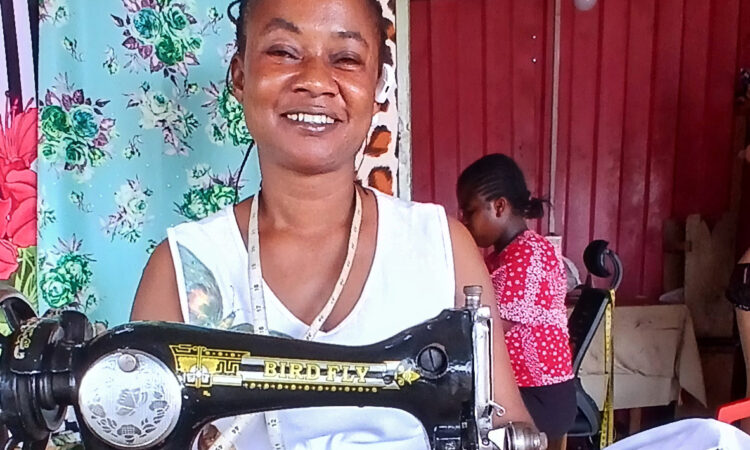
The second group of eight women in our basic income project in Ghana has completed its three-month cycle, with participants reporting meaningful improvements in their businesses and livelihoods. Each of the eight participants received 1 dollar per day, which is sent directly to their phones using mobile money. Compassion for Humanity supported the participants throughout the project.
What changed for participants
All participants reported positive changes in their work or family situation after three months. Several expanded their services or output, while others used profits to support daily family expenses or reinvest in their shops. Five of them were able to use additional income to purchase a sewing machine.
- Monica Tetteh bought cloth, resold it, and combined the profit with her GoodDollar income to purchase a new sewing machine. She now does more work with her apprentice.
- Konadu Jennifer acquired a manual sewing machine, enabling her to work from home, earn extra income, and commute to work daily.
- Akuaso Luzzy used the funds for a new sewing machine that directly supports her shop work.
- Afarcharwo Mawuena Daniella bought a sewing machine to learn faster and generate extra income.
- Salomay Owusu purchased a hair dryer for her salon, strengthening her service offering.
- Mary Tetteh bought a sewing machine that is already helping her earn money to cover daily family expenses.
- Lydia Ahiatsi invested in hair products for her shop, reporting good sales and profit that support both her and her business.
These outcomes mirror the first group’s pattern: small, targeted investments in equipment and stock leading to higher productivity and income.
Key challenge
The main challenge reported was converting GoodDollars into local money. It’s still a bit complicated process to swap the money received on their phones into the local currency to be able to spend it. But with the aid of others and help from Compassion for Humanity they all managed to get it done.
Looking ahead
The second group’s results confirm that modest, unrestricted basic income can quickly translate into real business growth for women in Ghana, especially when directed toward productive assets like sewing machines and salon equipment. The model is ready to scale to future groups while preserving what already works: trust, flexibility, and direct investment in women’s own plans.
Participants
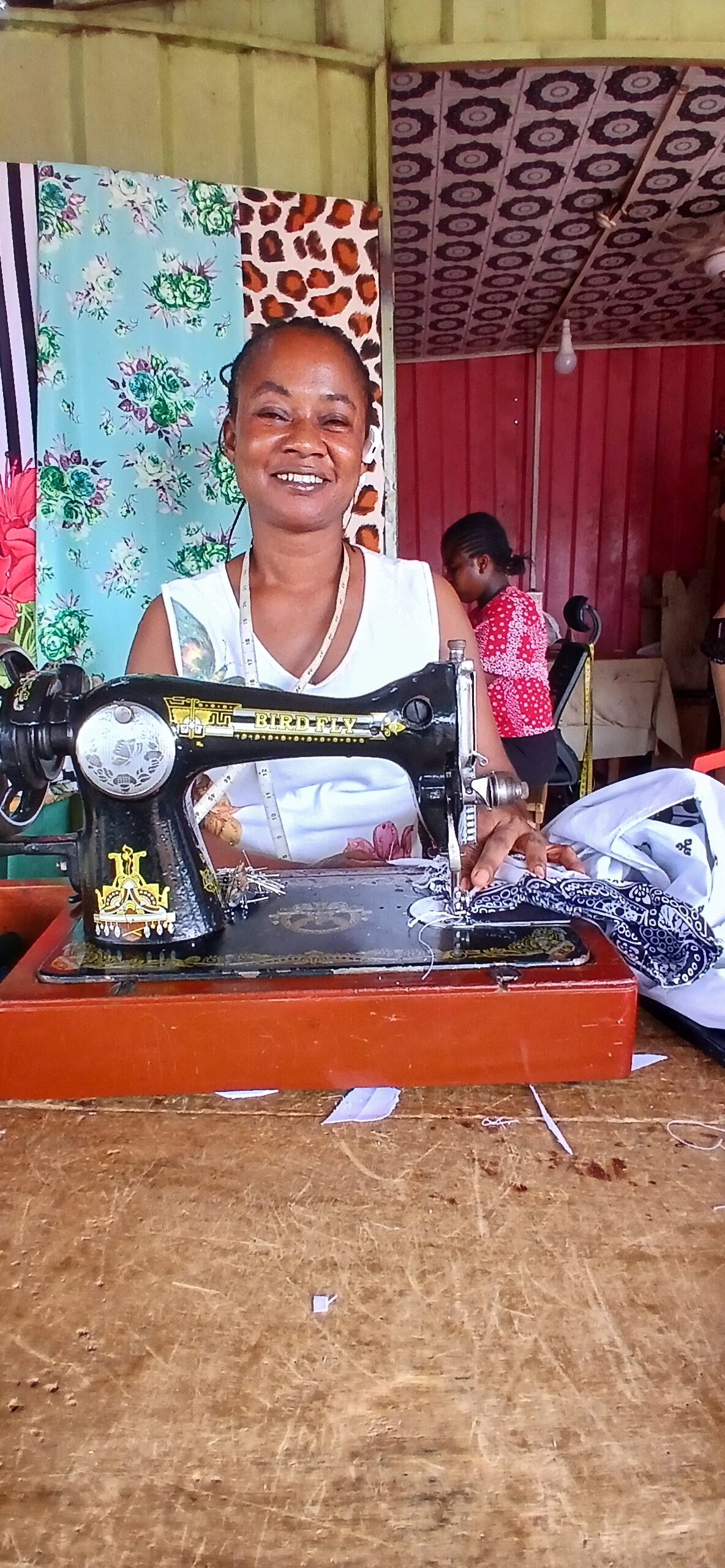
Monica Tette (38) is a seamstress and has one son. She has a sewing center where young women can learn sewing.
She plans to use the edditional income for an additional sewing machine to assist apprentices who have no sewing machine.
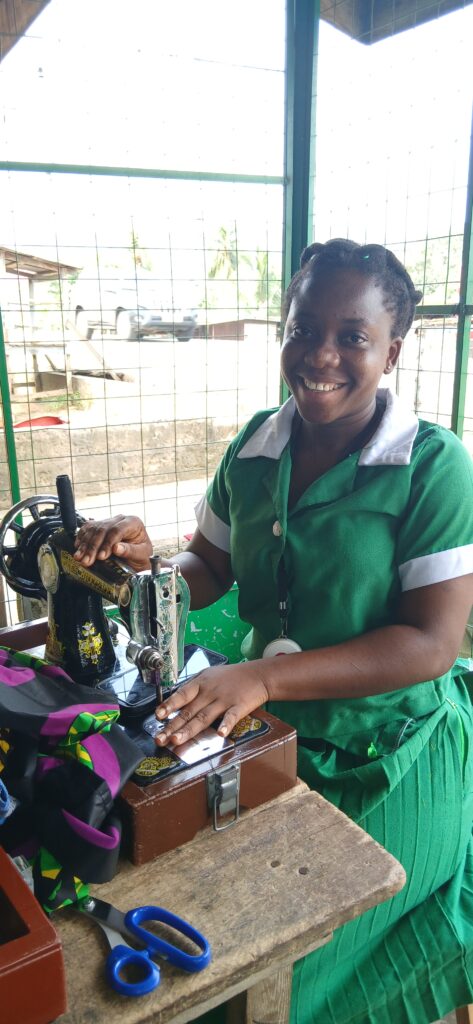
Konadu Jennifer (24) is a young seamstress. She needs a sewing machine to help her learn faster and to be able to work from home.
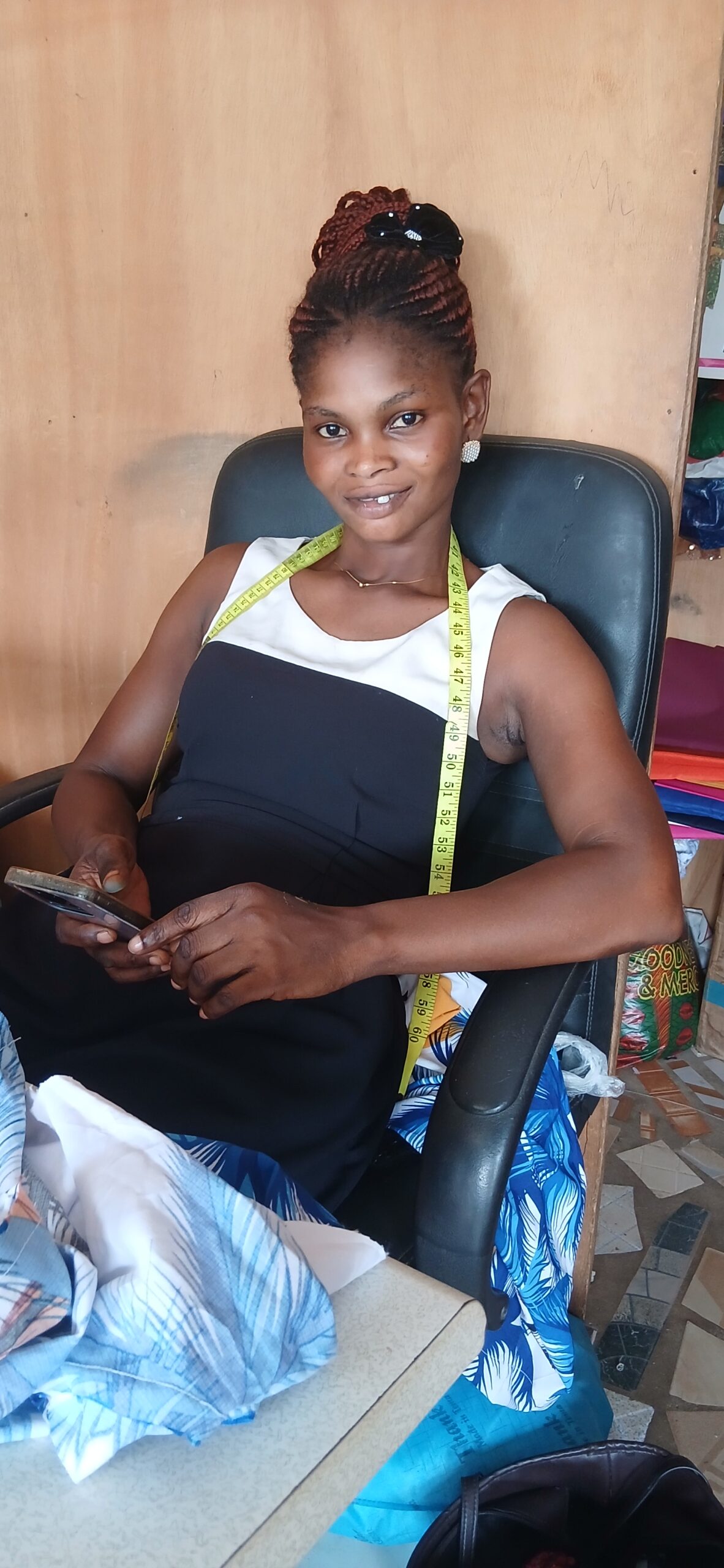
Akuaso Luzzy (38) is a mother of 2 girls and a seamstress. She has a shop where she does her sewing. She would like to assist other young apprentices but does not have an extra sewing machine to train other young girls within her community.
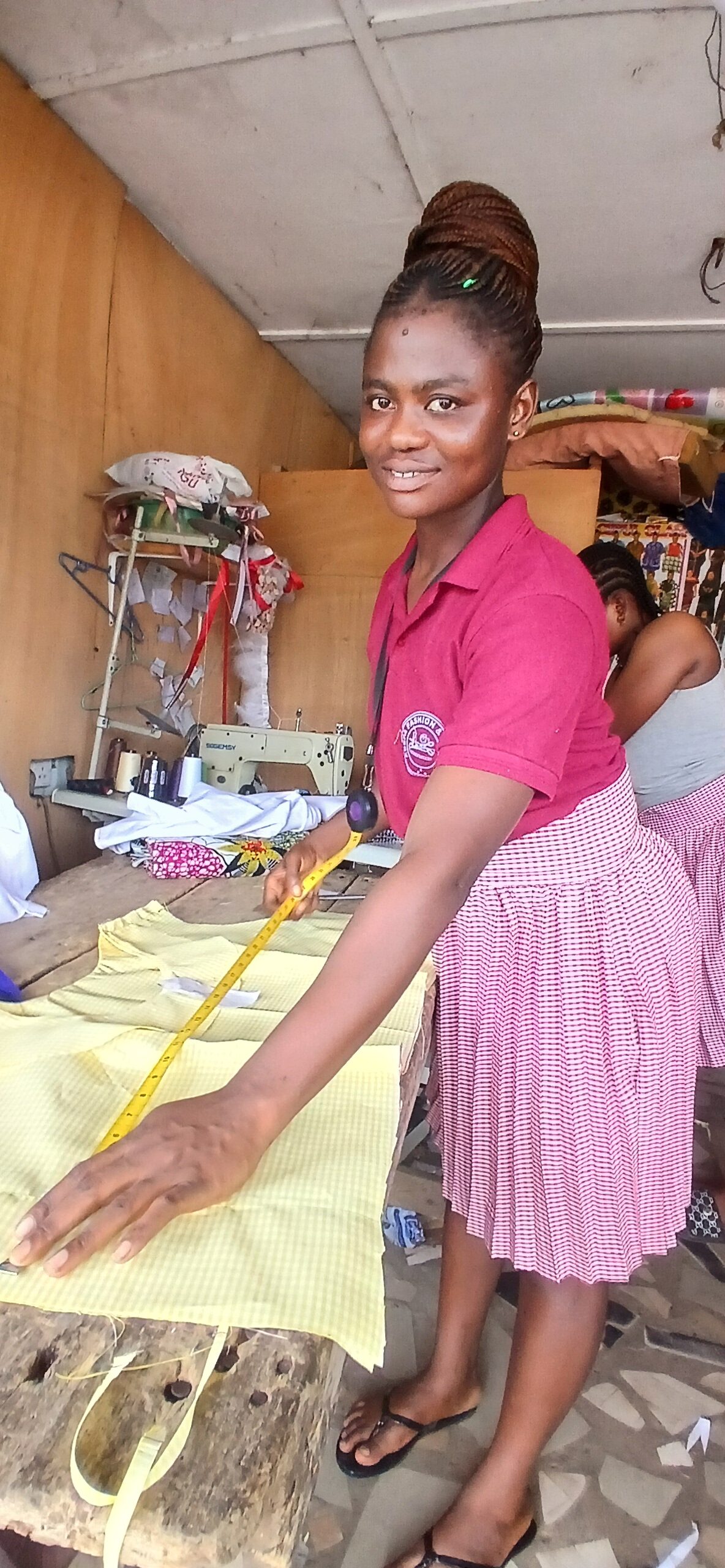
Afarcharwo Mawuena Daniella is a young apprentice in her 2nd year of apprenticeship. She would like to start working from home and also make some income to take care of her training.
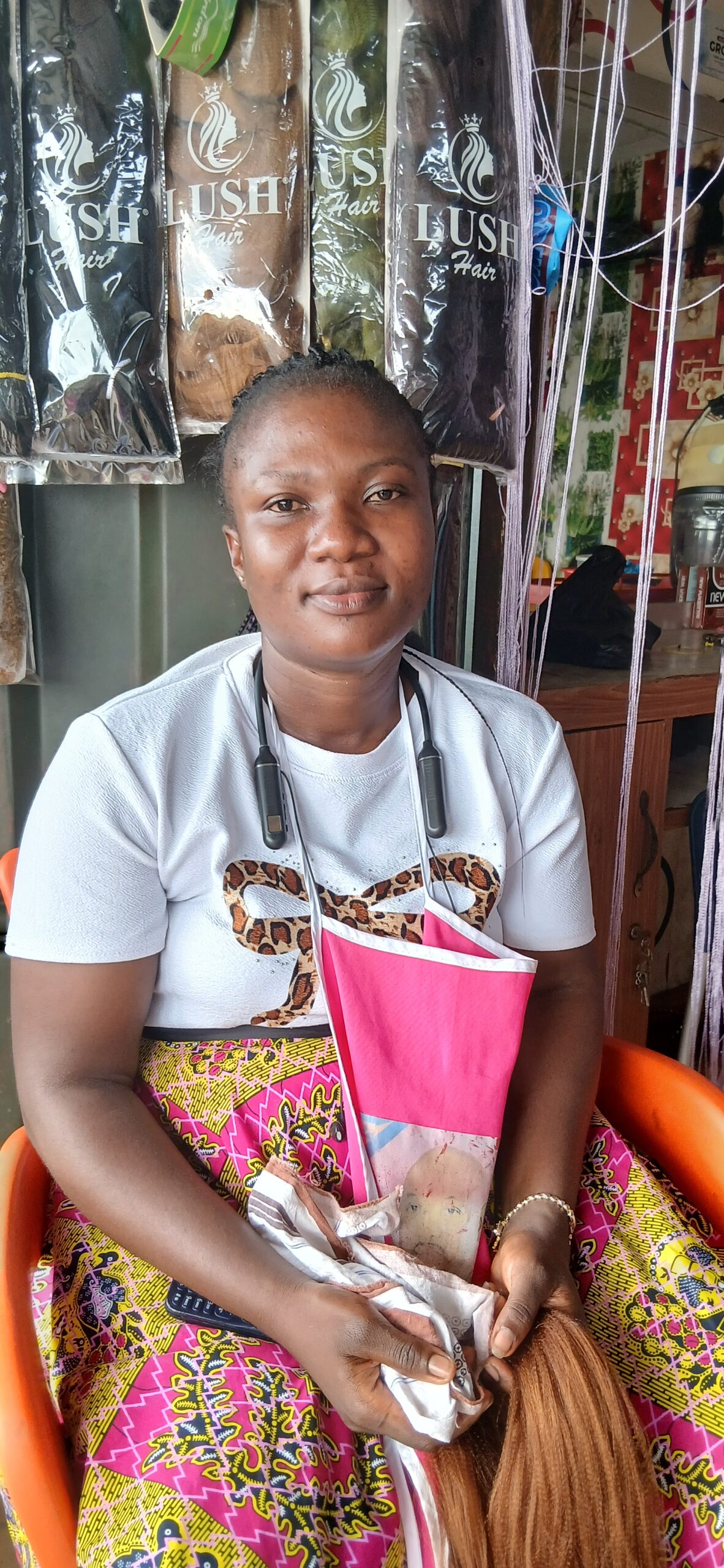
Salomay owusu (38) is a hairdresser. She has her own Hairdressing shop where she is able to make some income. Also, she wants to train other young girls who want to learn hairdressing.
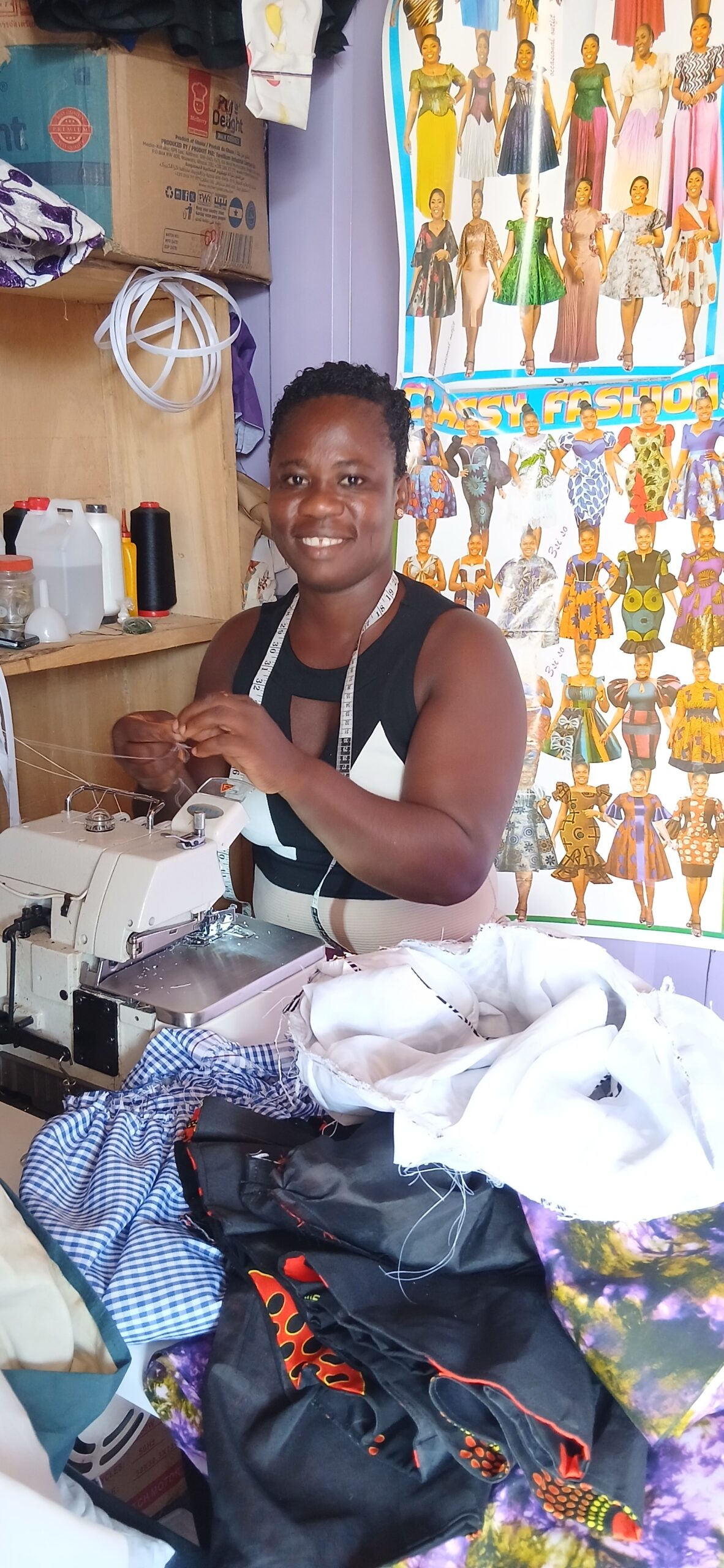
Mary Tetteh (39) is a single mother with two children She is a seamstress and has her own shop. She would like to use the money to buy an additional machine for her shop.
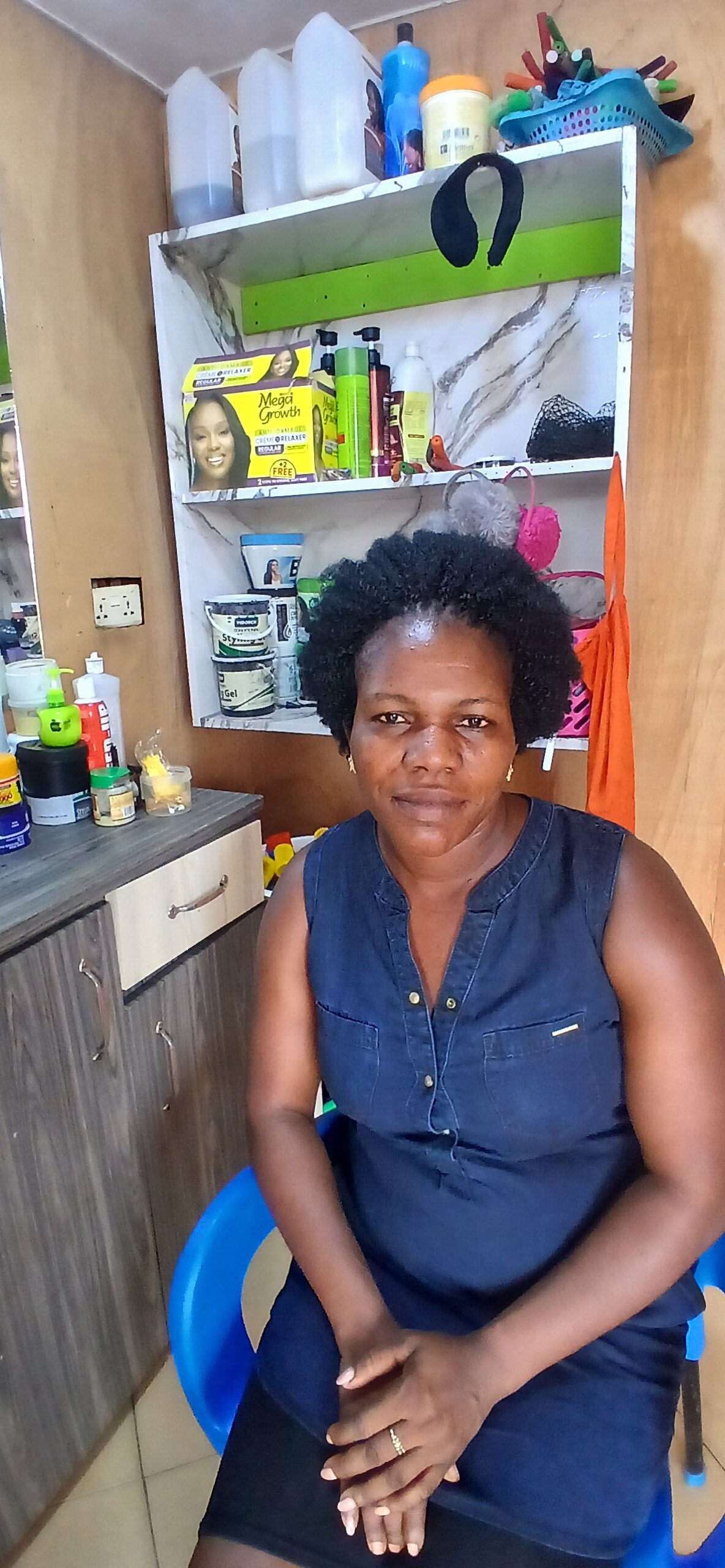
Lydia Ahiatsi (39) is hairdresser with a learning center where other young girls can learn hairdressing.
She would like to use the income to buy some hair products for her shop.
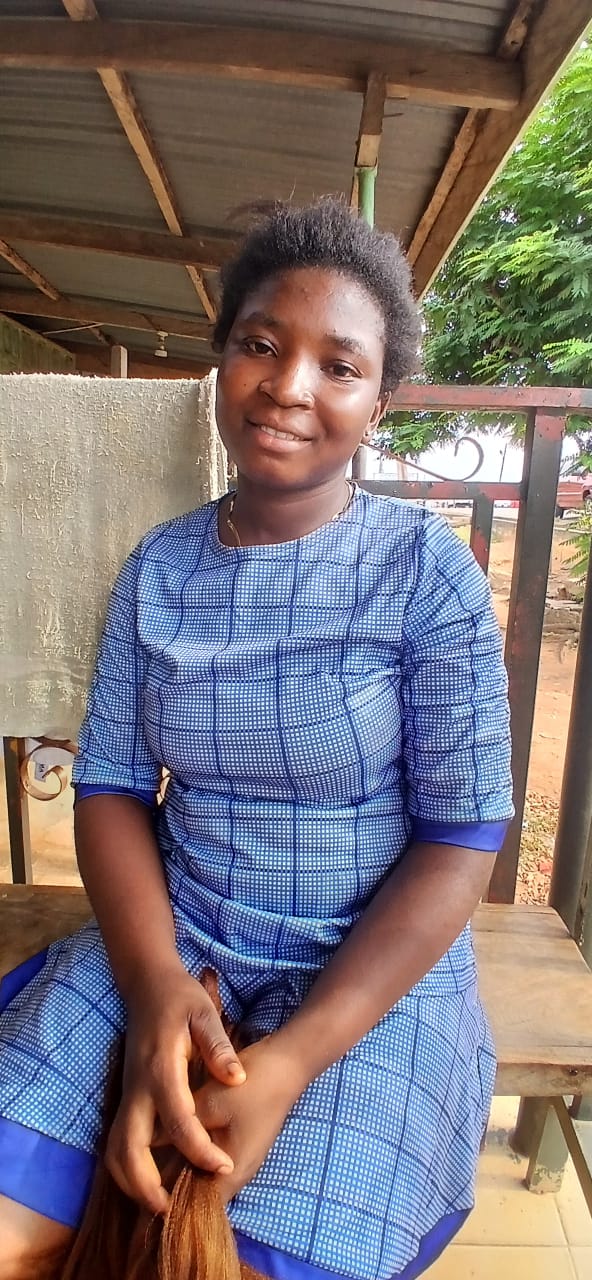
Suzzy Tetteh is a second-year hairdressing apprentice. She plans to use the extra income to purchase a hairdryer and other essential tools, enabling her to work from home and earn an income.
