
In this project we provide basic income style support for the Kiriba village communities in Kenya, in cooperation with the Grassroots Economics Foundation, steward of the Sarafu.Network.
We start the project with the Kiriba Chama community. This group has 18 active members, comprising 16 women and 2 men. Most are smallholder farmers living in the Kiriba community in Kilifi County, Kenya, while a few also run small businesses selling goods and services. Farming remains their main source of food and income.
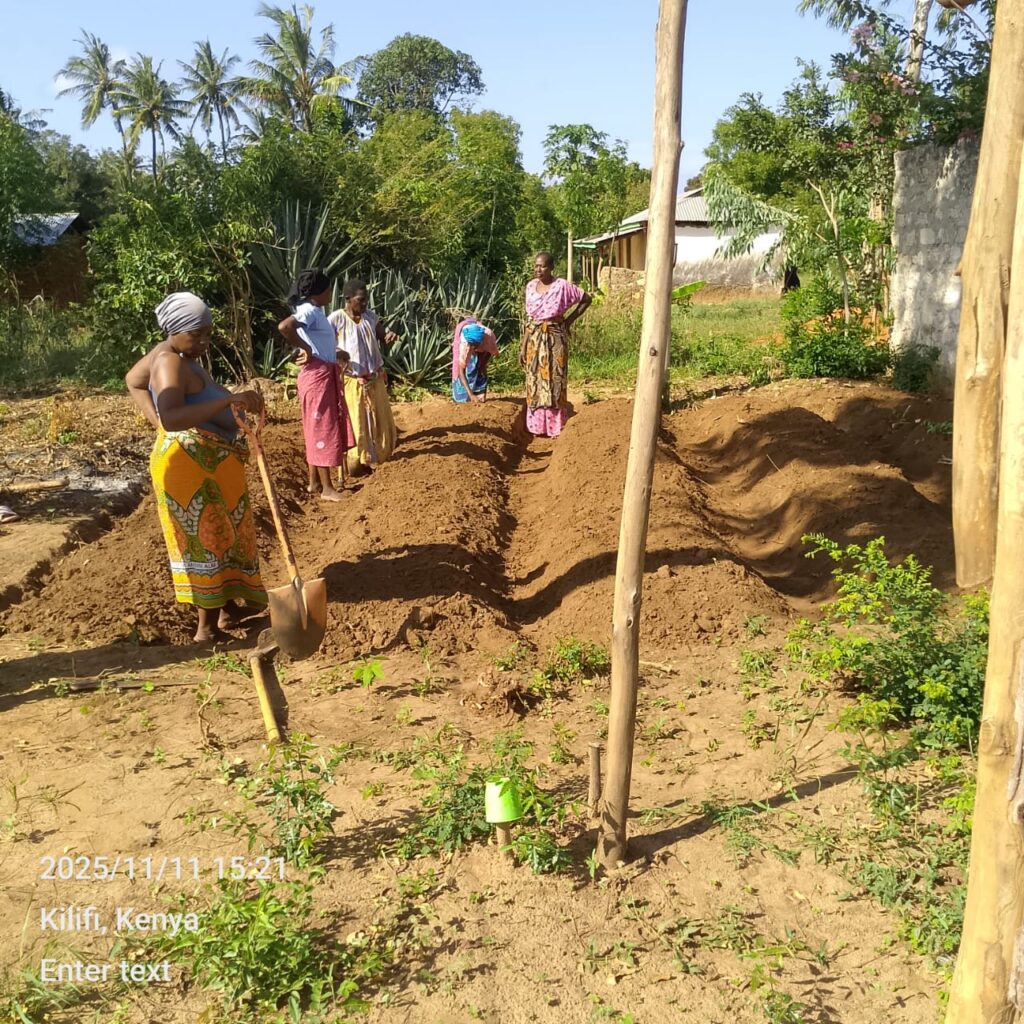
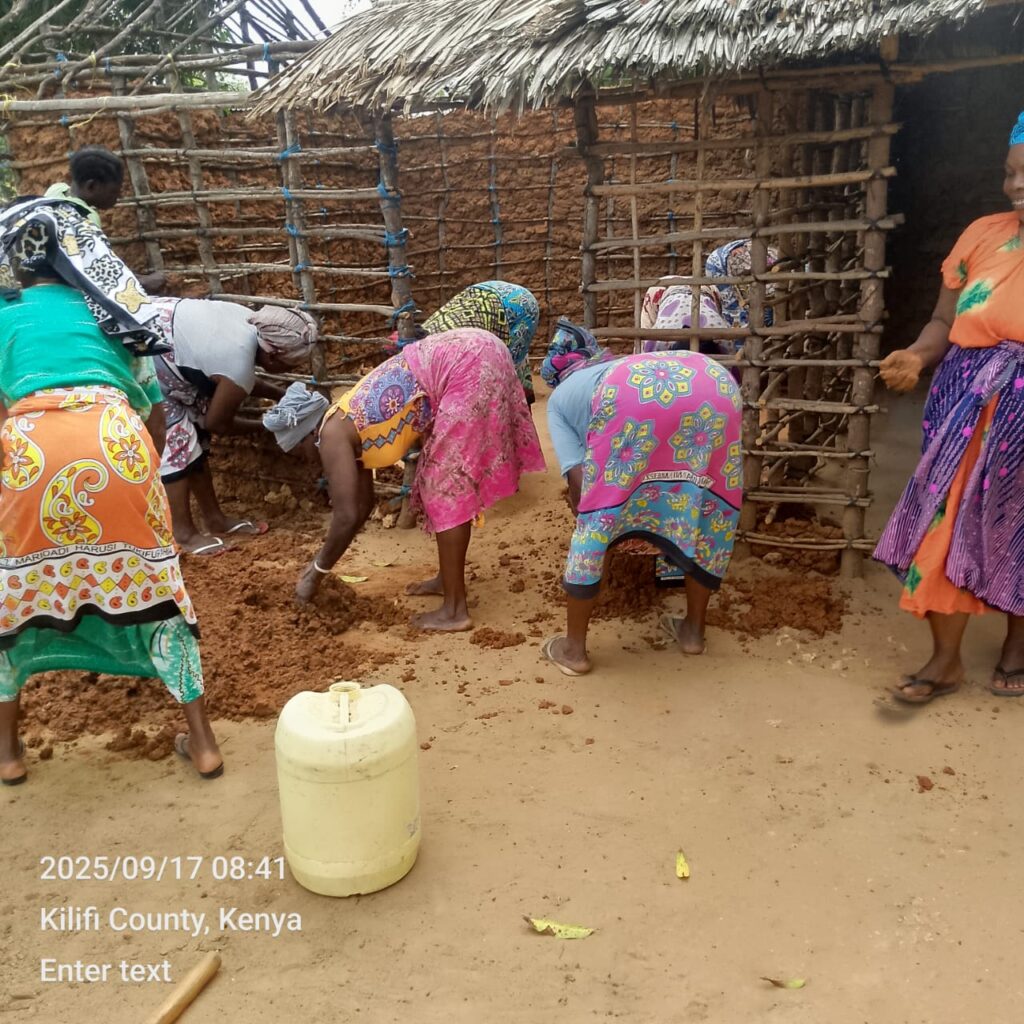
The group has a strong culture of rotational labour. Members regularly support one another in house construction, land preparation, harvesting, maize dehusking, digging pit latrines, and makuti making for both sale and home use. This system has reduced individual labour costs and strengthened solidarity within the group.
Project updates
March 25, 2026
First results Kiriba Chama community
Kiriba Chama is a community group whose members already support one another through shared labour, local exchange, and collective problem solving. The pooled basic income
How the Sarafu.Network supports cooperation
The Kiriba communities use the Sarafu.Network to organize and strengthen cooperation. Members create digital vouchers (commitments) that are recorded in a shared community pool. These vouchers represent goods, services, or hours of work and are exchanged among members to meet everyday needs. The pool also holds small amounts of cash to help members purchase essential items outside the community when necessary.
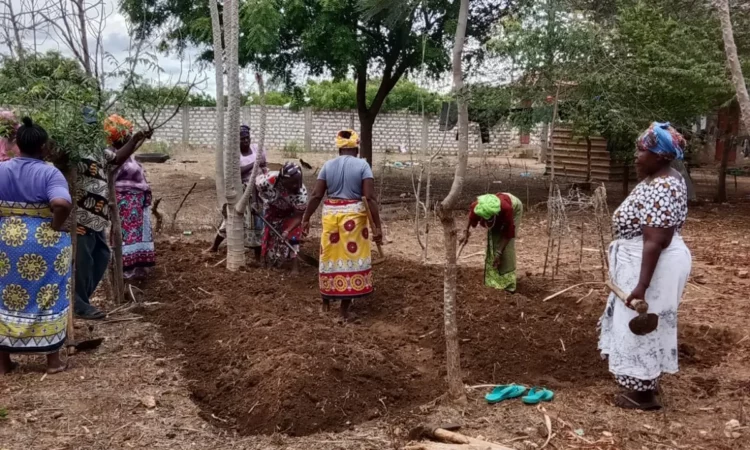
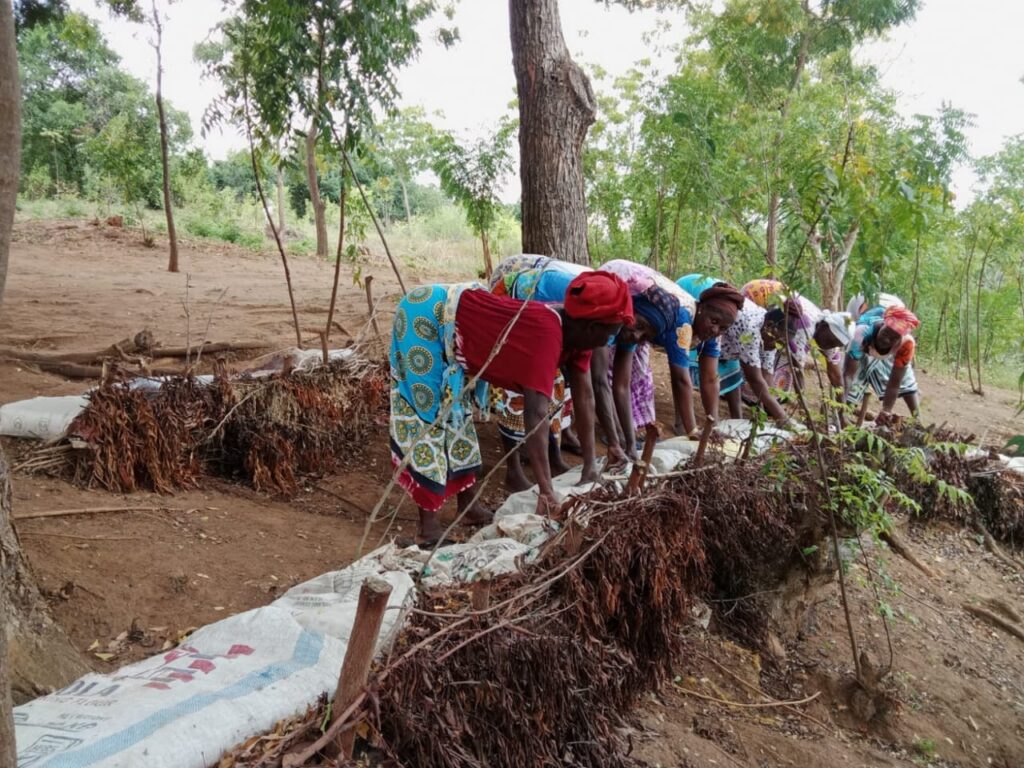
Beyond mutual support, members are building their knowledge in ecosystem stewardship and restoration. They are practicing compost making, syntropic agroforestry, constructing check dams for water retention, soil improvement through composting, and planting nitrogen-fixing crops. Several members have already applied these practices on their farms with positive results.
Challenges that limit progress
However, groups like the Kiriba Chama community face practical challenges that limit their progress. Many members lack basic farming tools, making land preparation and maintenance difficult. There is limited access to diverse and quality seedlings, which affects crop diversity and resilience. Most farms are not fenced, leading to frequent destruction of crops by free ranging animals.
Farming in Kilifi depends largely on seasonal rainfall. During dry seasons, members struggle with water scarcity due to the lack of adequate water storage tanks for harvesting rainwater. This affects both household use and farm productivity.
The group needs support in the form of farming tools, fencing materials, access to diverse seedlings, and water harvesting infrastructure such as storage tanks.
FairSpirit pooled basic income support
FairSpirit supports the Kiriba village communities by contributing the equivalent of about USD 10 per member to the community pool. This added support strengthens the pool and helps members make more frequent and reliable exchanges, improving resilience and wellbeing.
Cash support helps them purchase essential items locally, strengthen their farming activities, and increase food security. With the systems they already have for rotational labour, shared commitments, and growing ecological knowledge, additional financial support translates directly into improved production, stronger resilience during dry seasons, and better livelihoods for their families.
Project goals
The goals for this project are:
- Improve the living conditions and resilience of participants through more reliable access to goods and services.
- Test and document a pool based basic income approach within Sarafu.Network community pools.
- Generate stories and results that enable fundraising for future rounds.
More details on the Kiriba village activities supported in this project will follow soon. For now you can see what is already happening in the Kiriba Chama community pool in the Sarafu Network.
Project partners and sponsors
A heartfelt thank you to the sponsors whose support make this project possible.



Do you want to become a sponsor too?
Contact us at info@fairspirit.com.
For other ways to support this project see the donation page.
Do mention “Pooled basic income in Kenya” if you want to specifically support this project. Thank you!
